At Standing Stone Construction, we believe great flooring work starts with great people. As a Native American–owned company, we bring pride, craftsmanship, and accountability to every commercial project we touch, including multi-family developments, senior living communities, and large-scale renovations. Our focus is simple: deliver installation work that looks exceptional and performs long-term.
Our installers are trained, certified, and highly experienced in the systems we install. We’re selective about who joins our team because the skill, professionalism, and integrity of our crew directly shape the results our clients depend on. Every installation reflects our commitment to quality, precision, and durability.Years of Experience
MBE Certification
Service Offerings
Jobs Completed

Managing Member
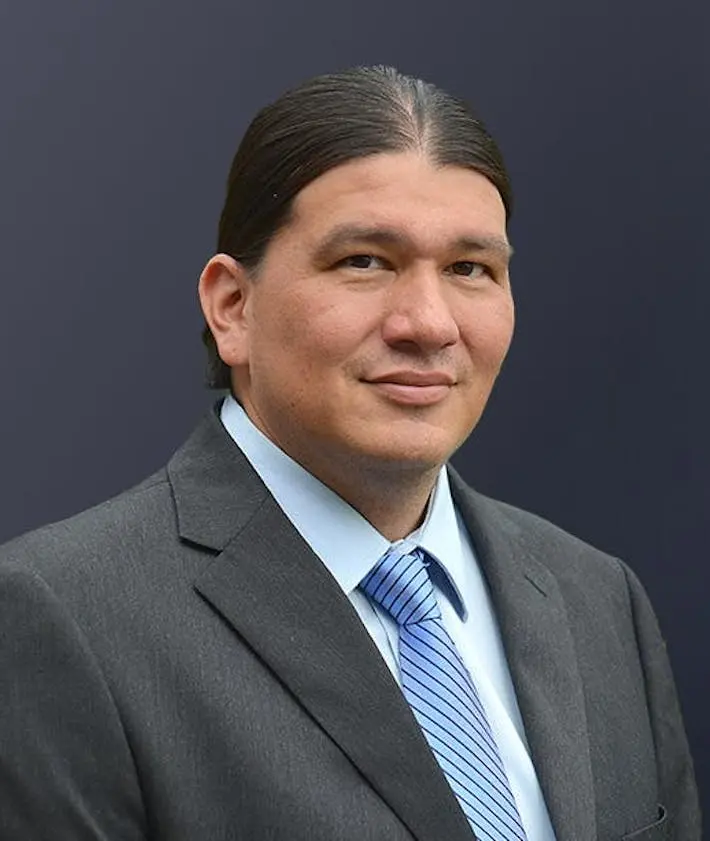
William “Bill” Cornelius has more than 20 years of experience advising Tribal governments and economic-development organizations across a wide range of industries, including energy, real estate, construction, agriculture, retail, and gaming regulation. An enrolled member of the Oneida Nation, he brings deep expertise in supporting projects from early planning through execution, with a background that includes a Juris Doctorate from the University of Wisconsin-Madison and a bachelor’s degree in education from the University of Wisconsin-Milwaukee.
His work includes feasibility studies, permitting, project financing, and structuring-often combining state and federal grants with tax-credit incentives such as New Market and Low-Income Housing Tax Credits. He also provides compliance guidance and regulatory oversight for Tribal gaming commissions, real estate ventures, and other economic-development initiatives. William remains active in community and governance efforts, serving on several boards, including the American Indian Chamber of Commerce of Wisconsin and the “I am Oneida Project,” which focuses on enrollment criteria and related governance issues.
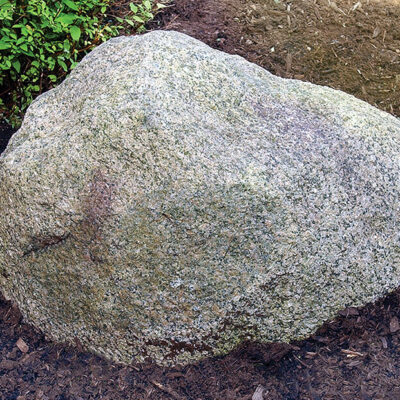
The name “Oneida” (Onyota’a:ka) literally means “People of the Standing Stone.” According to their tradition, a large stone, called the Oneida Stone, would appear to mark where the people should establish or move their village. As the Oneida relocated through different places, the stone was said to “follow” them or to re-appear, serving as a constant symbol of identity, unity and guidance.
Historically, the stone was described by a traveler in 1796: he was shown a roughly 3½-foot tall boulder, partly white and partly gray, that local tradition said the Oneida had carried during migrations, heavy enough to require great strength. The stone wasn’t just a landmark – it had spiritual significance. According to the account, some Oneida believed that rocks, mountains, wind, and thunder were animated by invisible powers that influenced human affairs, and the Oneida Stone was regarded as an image of a deity they worshipped.
In short: the “Standing Stone” isn’t just a nickname. It reflects a central cultural and spiritual identity of the Oneida people, rooted in a legend where a powerful, sacred stone guided their movements and symbolized their enduring connection to land, community, and the natural world.